

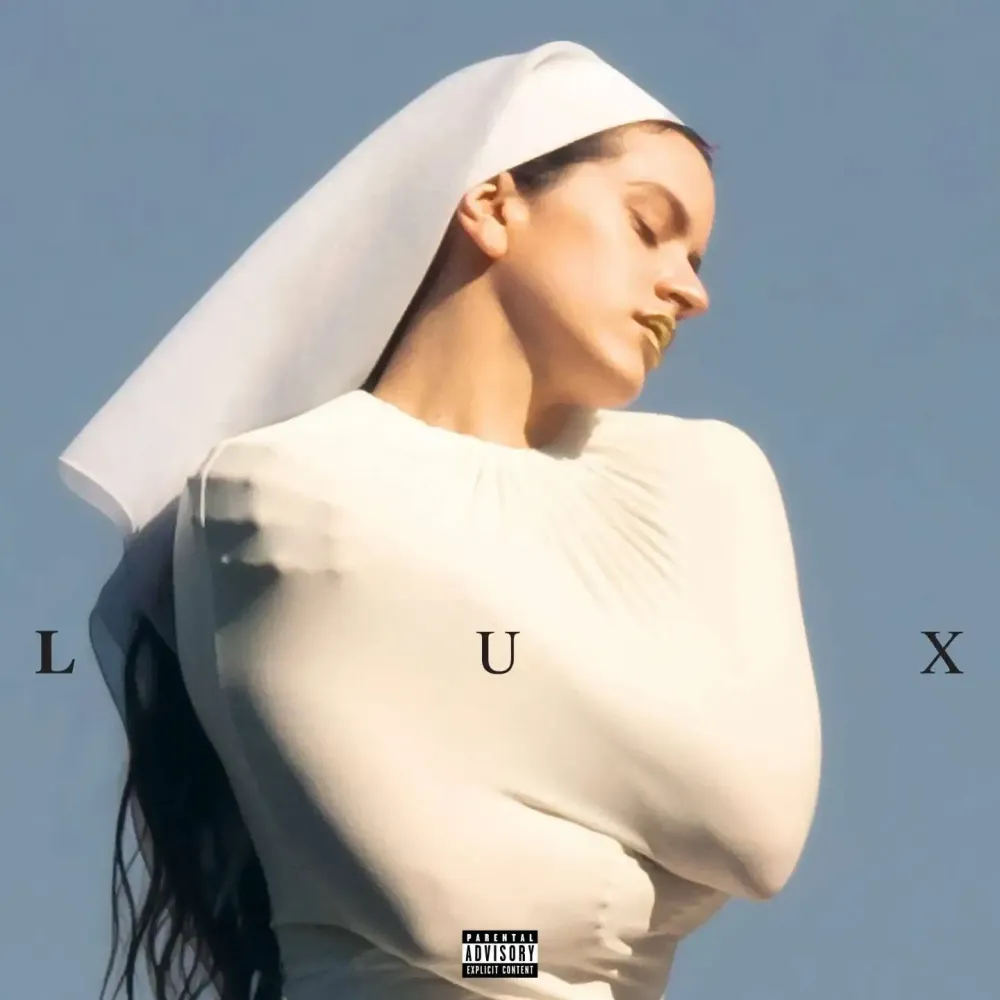
After exploring her roots in flamenco traditions, Rosalía gave us MOTOMAMI, a genre-fluid record in which those origins are once again deconstructed and re-engineered with reggaeton, bachata, alternative pop, and electronic music. Unpredictable and innovative in spirit, LUX moves in a direction entirely opposed to that of its predecessor.
There's a certain pleasure in watching pop artists challenging the easy route, as Taylor Swift did with the pandemic-inspired album Folklore, or as Billie Eilish, who rose to stardom through a deliberately inverted path. Rosalía's new work is immersive, unexpected, and filled with meaningful details. Backed by the London Symphony Orchestra (conducted by Icelandic composer Daníel Bjarnason), the Spanish artist explores symphonic territory and opera vocals, resulting in an interesting crossover between classical grandeur and contemporary music. Where MOTOMAMI thrived on immediacy, LUX expands into a maximalist approach. In this record, which takes its title from the Latin word for "light," Rosalía lets that light flood in, illuminating a new and more holistic path.
The conception process behind this record stretched over more than three years. It required a break from her previous creative approach, with social isolation becoming one of the central pillars in shaping this new work. Rosalía turned inward, found balance, and allowed the results of that effort to manifest through countless hours of studio work, driven by an obsessive pursuit of lyrical perfection. Intellectual and spiritual nourishment are also evident throughout the project. Elements and figures from classical music, spirituality, sainthood, cultural diversity, and religions such as Christianity, Hinduism, and Islam were studied in depth. This literal cultural journey sees Rosalía singing in 13 languages: Spanish, Catalan, English, Latin, German, Ukrainian, among others. In the languages where she felt less confident, she relied on advisers to refine her syntax and pronunciation. The multilingual approach is not decorative or ornamental but rather part of the album’s architecture, a way to channel different cultures and traditions without flattening them into a single voice. Born from patience and commitment, the record positions itself in deliberate opposition to the basics of pop music.
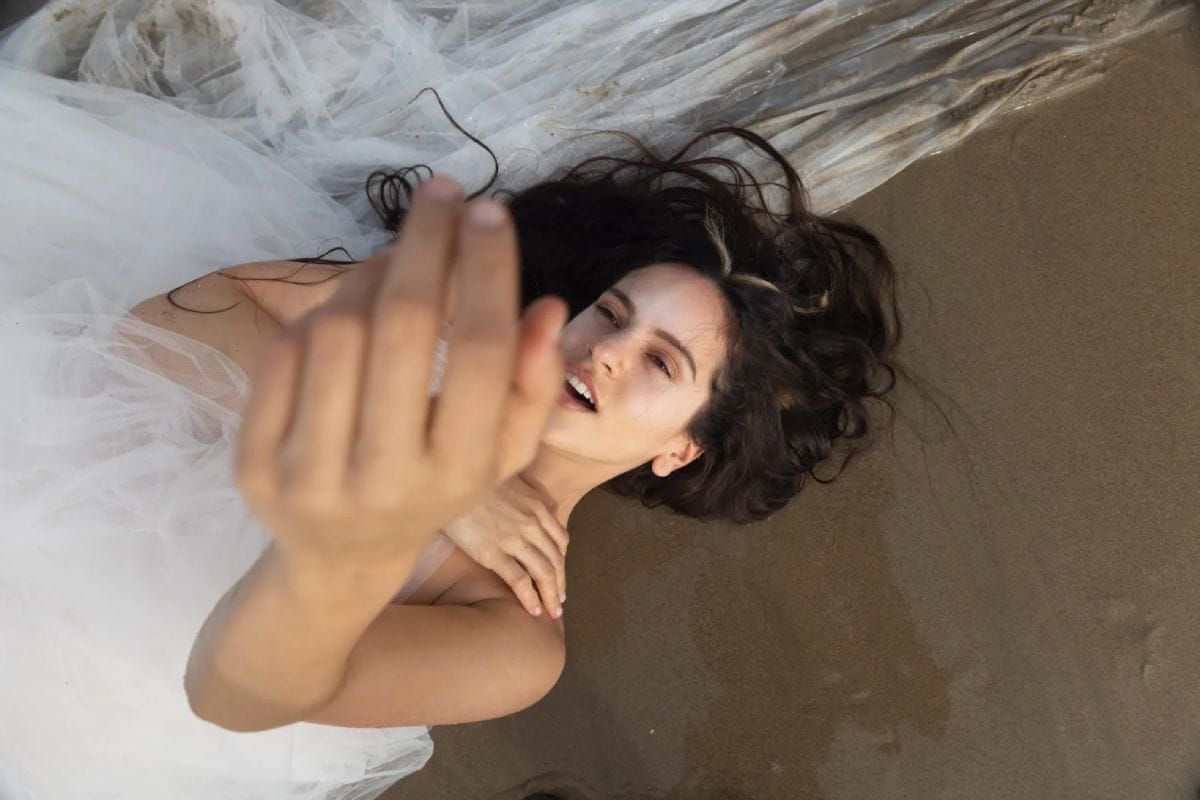
The production on LUX is meticulous, almost obsessively so. Across 49 minutes (plus three exclusive tracks on physical editions), we are presented with a work of remarkable intellectual ambition, possessing depth worthy of an academic thesis, structured in four movements. There are numerous moments where it plays less like something built for playlists and more like a score for a film yet to be released, though the work remains as eclectic and restless as one would expect. It is in “Mio Cristo Piange Diamanti” (Italian for “My Christ Cries Diamonds”) that I realize I have something special on rotation. Here, Rosalía attempts to compose an aria, a 16th-century musical form built for confession and introspection within an opera. Inspired by the relationship between Saint Clare and Saint Francis, the song displays incredible dynamics and an organic warmth distant from what we would expect to hear on the radio (or even on a pop star’s stage). The following track, the opening of the Second Movement, is the first single, “Berghain.” This maximalist, orchestral piece features the two strongest guest appearances on the album: Björk and Yves Tumor. Conceived as a spiritual journey through toxic love and redemption, the song was received like a revelation by critics and fans alike. I’m less convinced about this one, to be honest. It's ambitious, sure, but the hype feels outsized compared to what the track actually delivers.
Throughout the record, we encounter shorter pieces, such as “De Madrugá,” which functions almost like an interlude between tracks, or “Dios Es un Stalker,” where she turns her lens on fame and the uncomfortable intensity of fan obsession with a sharp, satirical edge. But it's "Memória," her collaboration with Portuguese fado singer Carminho, where the record truly strikes me. I'll admit bias here as a Portuguese listener, but the song hits like a punch to the stomach... and I don’t even particularly enjoy fado as a genre. The record closes with “Magnolias,” an almost inevitable conclusion and a choice that feels just right. “Tírame magnolias” is sung repeatedly in a soft, sweet, and vulnerable voice, reaching the emotional climax of the project.
Some will say the album is simply pretentious, overhyped. Others will call it a masterpiece, one in a million. I can’t side with either. LUX is a different, dedicated work, meticulously produced in a musical laboratory accessible only to the world’s biggest stars, with nothing short of exceptional quality. Call it a risk if you want, but let's be honest: it’s only fair to admit that, for Rosalía, this wasn't such a daring step. Since El Mal Querer, the Spanish artist has been experimenting with various styles and approaches, gathering millions upon millions of listeners along the way. This latest musical venture further cements her position at the global top, still attracting fans of Bad Bunny, Taylor Swift, or Coldplay while pulling in listeners from more alternative and less obvious spheres.
Album Highlights
Reliquia
Mio Cristo Piange Diamanti
Memória