

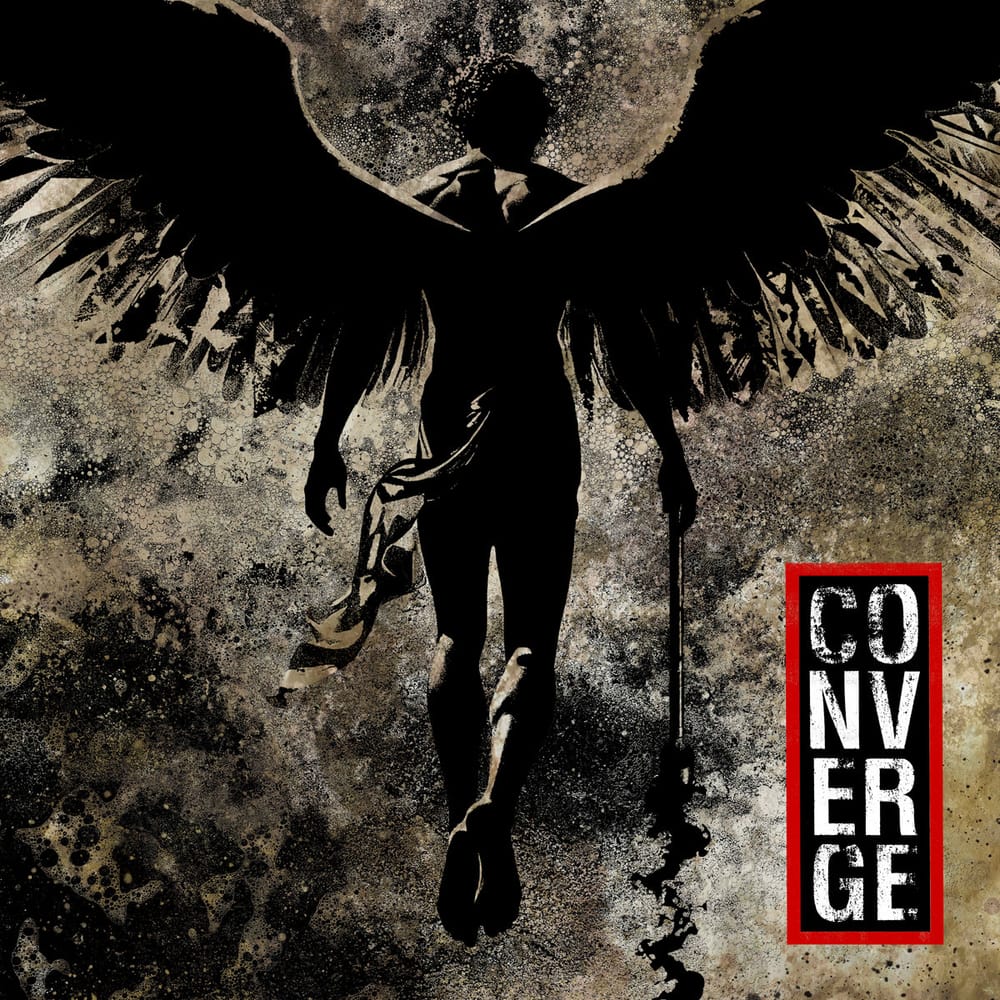
Nine years after The Dusk In Us, Converge return with Love Is Not Enough. With ten tracks, the album has short bursts of violence, which slow down, get heavier and broodier. The band's vocalist, Jacob Bannon, describes the album as "no frills, no BS" and that's obvious in every element from composition to recording.
To understand this album, it's worth knowing who Converge are. The band's 2001 offering Jane Doe is one of - if not the - quintessential metalcore albums, a modern metal masterpiece. It merged the viciousness of hardcore and the dexterity of metal to produce an art-rock profusion of sound and emotion in the extreme. It was fragile and dangerous but beautifully visual. It remains iconic over 20 years later because it more than perfected a tone. It certainly encouraged a generation of heavy metal groups to consider how best it might sound to deal with sincerity in the most aggressive form.
This is an important narrative because Love Is Not Enough doesn't seem to be some attempt to "top" Jane Doe or even to be a recreation of a time and place. It is a more difficult sale, and more impressive record: an album by a band old enough to have seen that the world has become less certain, more diverse, more commercial, more spiritually squeamish, by a band unopposed to the power of its abilities. Converge have aged in the chaos. They have grown older in this most divided century, without losing parts of themselves that were vital for self-preservation. They are themselves - the same music, as violent as ever; the same feelings, as sensitive as ever; the same passion, not a feigning, but real.
Their album title is itself provocative. Journal entries and love confessions are common accreditations in the songs of Converge who view linkage and union as the basis of violence. Yet Converge don't want to denigrate love. They're questioning the adequacy of a sentimental love in a rapine social order. The album's pivot is the record's title song, which pleads, "love is not enough to ward off the vultures": that is, love, empathy and intimacy are still necessary but not in themselves sufficient against the ravages of bad faith, indifference, containment, division and mourning.
Hence the brutality of the first four songs. At less than 3 minutes long, the songs "Love Is Not Enough", "Bad Faith", "Distract and Divide" and "To Feel Something" are some of the fastest and dirtiest Converge songs in recent years. They waste no moves. They attack. In particular, "Distract and Divide" feels especially timely in its documentation of how we are being distracted and divided by social media, how social and political change is afoot, in 90 seconds of mindfuck. "To Feel Something" is a reflective, but not broken, explorative piece about being insensitive is not a way out, but a way down.
The thing about Converge is that all this is in response to a feeling. Even when these guys are on the rampage, they are not nihilists. They are observers of madness. This is one of the myths that's been attached to this band throughout their career: they sound abrasive and then they sound compassionate. But the abrasion is the compassion. Converge don't sound abrasive to mask the emotion, they are abrasive to express emotion. Some bands express feelings of loneliness or loss or desire and then act them out. For Converge, the form is the emotion.
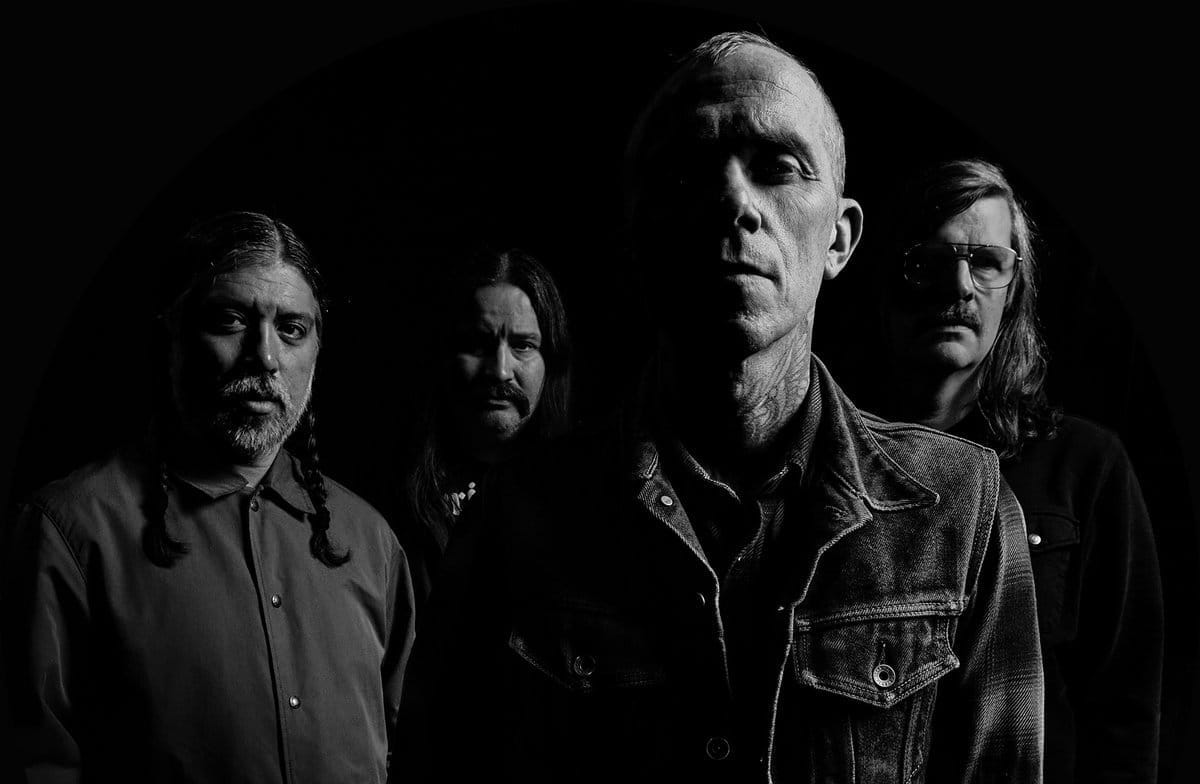
In the latter half of the album, we see more at work. "Beyond Repair" helps slow the pace and introduces a sense of dread. Then the contemplative part of the album. "Amon Amok" and "Force Meets Presence" are haunting. "Gilded Cage" is one of the finest on the album because it is not cathartic. Disease and drug addiction, as well as the haemorrhaging of the body politic allow a collectivist and personal take on addiction as if the body politic was diseased itself. "Make Me Forget You", is painful for other reasons, it is a song of deferred contrast and regret that turns regret into geometry. And finally, there is "We Were Never the Same", the epiphany as coda. Their bemoaning is public but not ethereal. It is about distance, mortality, timing and the tragedy of knowing that "we are better at being together when something is over than when it is happening". With lesser musicians this would be sappy. For Converge, it becomes relieving exhaustion. It is not resignation, or defeat, but the sound of those who understandingly know that experience is inevitable.
If there is a fault in the album, it too stems from truth. So raw, so potently brutal is the first half of the album that the second half can, at first appearances, seem gimmicky. But it becomes clear on repeated listens that it is not. Love Is Not Enough was not meant to be a roller coaster. It is about a body in crisis: the high, the abstinence, the overdose, the moment of reflection. The album is slow tempo because it is moving beyond the moment and into the moment after.
And this album is ultimately a victory. Converge sounds rejuvenated because they are not being cultish. They are revitalised because they have gained so much experience. The violence is more contained. The composition is more refined. They feel more of the pain. In a world where we increasingly reduce the problem to tribe, screen talker and bot, Converge still know how to play conflict: violence, love, defiance and social rejection and despair. They can still play the nerves.
Love Is Not Enough need not be preferred to Jane Doe. Nothing could. But it can be more than nominally handwringing. It shows that Converge have not abandoned what they're all about. The world of Converge is older, more vulnerable and different. But they are still the same, committed to a stripped bare, vulnerable, emotive and tenacious approach that few others can offer in the context of this band. Love isn't always enough. But feeling, noise and truth are good for Converge.
Album Highlights
Bad Faith
Amon Amok
We Were Never The Same